
How to Understand Renovation Quotes and Permits
If you have ever opened a renovation quote and felt your soul briefly exit your body, you are not alone. Between line items, codes, allowances, and permit language, renovation paperwork can feel like it was written in a secret contractor dialect. Many Canadian homeowners tell us the same thing. They thought they understood the quote until they suddenly did not.
Renovation documents are full of important information, but they are not always explained in plain language. Understanding quotes, permits, and the fine print helps you make confident decisions, avoid surprises, and keep your project running smoothly from start to finish.
Here is how to decode everything without needing a translator.

Start With the Quote: What You Should Actually See
A professional contractor in Canada provides an itemized, transparent quote that explains the full scope of work. A proper quote should include:
• A clear scope of work outlining what is included
• Labour and material breakdowns instead of vague lump sums
• Allowances for items such as fixtures, cabinets, tile, or flooring
• Exclusions that state what is not included
• Payment structure including deposits, progress draws, and final payment
• Estimated timeline and any seasonal considerations
• Notes about engineering, permitting, or access requirements
If a quote is extremely vague or feels too short for the size of the project, that is a red flag. A detailed quote protects both you and the contractor.
Understanding Allowances and Why They Matter
Allowances are common in Canadian renovation quotes. They are placeholder amounts for items you will choose later, such as flooring, tile, cabinetry, lighting, or hardware. The final price depends on the products you select.
If you choose items that cost more than the allowance, the project total increases. If you select something below the allowance, you save money.
Allowances keep the project moving without requiring every decision before work begins. Just remember that your selections influence the overall budget.
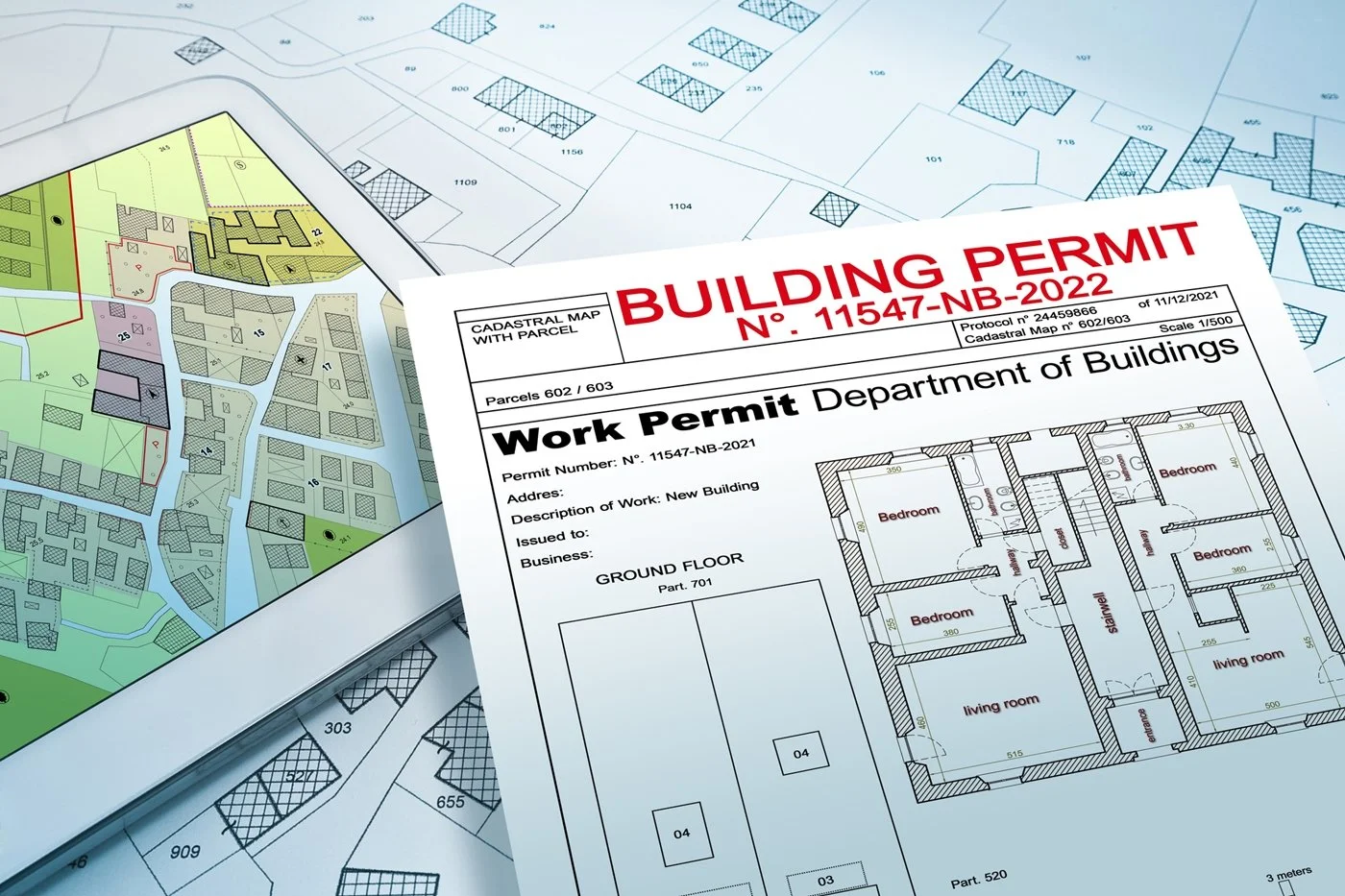
Permits: What Homeowners Need to Know in Canada
Permit requirements vary across municipalities, but the general rules are similar throughout Canada. Most regions require permits for:
• Structural changes
• Additions or major renovations
• Electrical work
• Plumbing changes
• HVAC modifications
• Basement finishing
• New decks or significant deck replacements
Many municipalities, including those in British Columbia, require:
• Engineering drawings for structural changes
• Step Code or energy efficiency compliance
• Licensed electricians and plumbers to pull their own permits
• Site surveys for certain additions or exterior work
Permits protect homeowners by ensuring work meets Canadian building code standards. They also prevent issues when selling your home. Unpermitted work can lead to fines, insurance complications, delays, or forced removal of completed work.
The Fine Print: What You Should Look For
A proper renovation contract includes clear terms about:
• Warranties on labour and materials
• Change order procedures for added work
• Insurance coverage, including liability and WorkSafeBC
• Cancellation terms and deposit handling
• Work hours, site access, and cleanup expectations
• Responsibilities for material purchases and selections
• Who is responsible for pulling permits
You should never sign a contract that leaves major terms open to interpretation. Transparency prevents misunderstandings and protects your investment.
Hidden Costs to Be Aware Of
Not all unexpected costs are contractor tricks. Many are simply unknown until work begins. Common examples across Canadian homes include:
• Code upgrades required by inspectors
• Hidden rot, mould, or water damage
• Asbestos or hazardous materials in homes built before 1990
• Additional engineering for structural changes
• Weather delays for exterior work
• Supply chain price changes
• Access challenges in older homes
A contingency fund of ten to twenty percent helps manage these surprises without stress.
Ask Questions Until Everything Makes Sense

A good contractor welcomes questions. If something is unclear, ask:
• What does this line item include?
• What could increase this cost?
• Who pulls the permits for each trade?
• What inspections are required?
• How do change orders work?
• What happens if we discover an unexpected issue?
• What is the payment schedule, and what triggers each draw?
If a contractor cannot explain their own quote, that is a warning sign.
A Clear Process Leads to a Smooth Renovation
Understanding quotes, permits, and fine print allows you to plan realistically and confidently. When everything is documented and transparent, your project stays on track, and you avoid costly surprises.
If you want help reviewing a quote, navigating permits, or planning a renovation in your Canadian municipality, Oakhaven Properties in Langley, BC, can guide you. Save this guide or reach out so we can make your renovation process simple, clear, and stress-free from day one.