
Navigating Carriage House Builds in Langley Neighbourhoods
Carriage houses are becoming an increasingly popular option for homeowners in Langley, especially for families looking to add flexible living space, generate rental income, or create multigenerational housing without expanding their primary home footprint.
In Langley, carriage houses appeal to homeowners in neighbourhoods like Willoughby, Walnut Grove, Murrayville, and Brookswood, where lot sizes and zoning often make detached secondary dwellings a realistic option. That said, building a carriage house is not a plug-and-play project. Between zoning rules, servicing requirements, and design limitations, the process requires careful planning from the start.
This guide explains what Langley homeowners should understand before planning a carriage house build, including costs, timelines, local realities, and the common mistakes that cause delays.
What Is Considered a Carriage House in Langley?
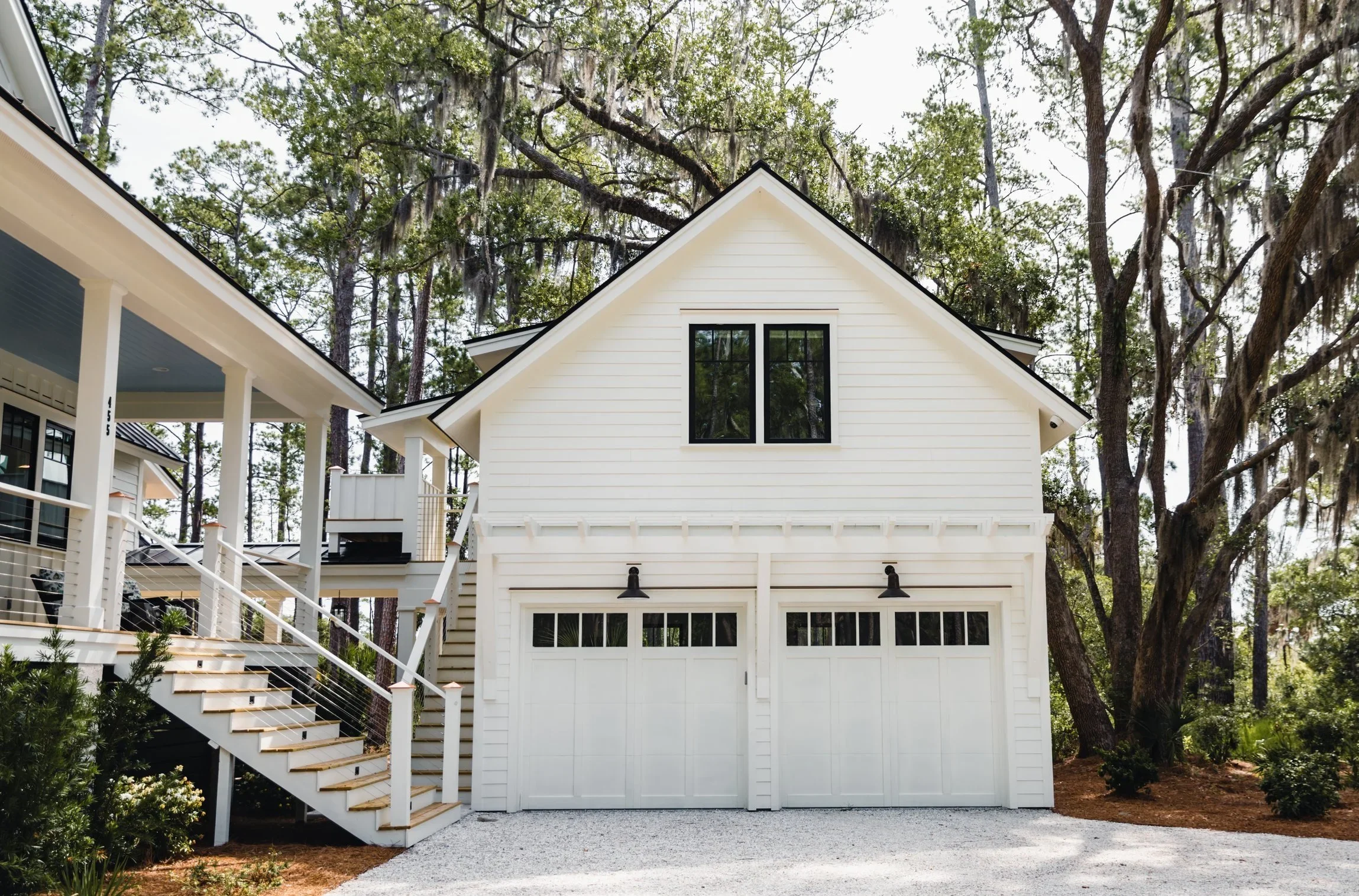
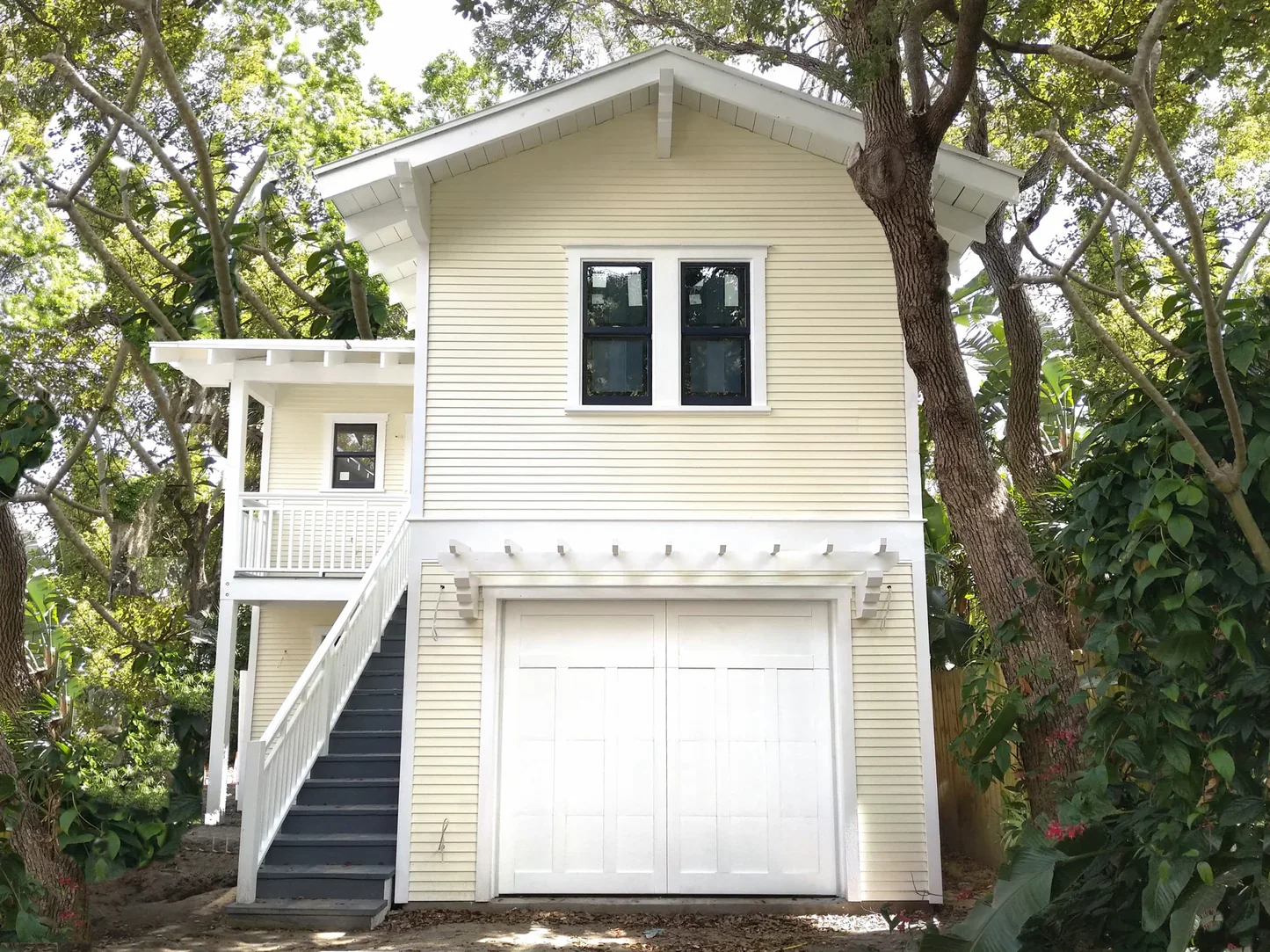
In Langley, a carriage house is a detached secondary dwelling, typically located above a garage or as a standalone structure at the rear of a property. It is separate from the main house but located on the same lot.
A permitted carriage house must meet specific requirements related to:
Zoning and lot size
Building height and footprint
Parking provisions
Fire separation and life safety
Servicing connections such as water, sewer, and electrical
Access and setbacks
Carriage houses are different from basement suites or garden suites, and they are regulated accordingly. Understanding this distinction early helps avoid design assumptions that do not align with Langley bylaws.
Zoning Rules for Carriage Houses in Langley
Zoning is the first and most important step. Not every property in Langley is eligible for a carriage house.
Zoning considerations typically include:
Whether your zoning allows a detached accessory dwelling
Minimum lot size requirements
Maximum building height and floor area
Required setbacks from property lines
Parking requirements, often additional off-street parking
In neighbourhoods like Willoughby, zoning is often more supportive of carriage houses, particularly in newer developments. In Brookswood and Murrayville, eligibility depends more heavily on lot size, servicing, and neighbourhood planning policies.
Zoning approval is separate from building permits. Both are required before construction begins.
Cost Breakdown for Carriage House Builds in Langley
Carriage house builds are significant projects, and costs reflect that.
Common cost drivers include:
Design and drafting
Engineering requirements
Permit and application fees
Site servicing and utility connections
Foundation and structure
Garage construction, if applicable
Fire separation and soundproofing
Finishes and mechanical systems
Compared to interior renovations, carriage houses involve more upfront site work and coordination. Properties in Walnut Grove or Murrayville may require additional servicing upgrades depending on existing infrastructure.
While costs vary widely based on size and finish level, planning a realistic budget from the outset prevents scope reductions later.
Timeline Expectations for Carriage House Projects in Langley
Carriage house timelines are longer than many homeowners expect.
Typical phases include:
Feasibility and zoning review: 3 to 6 weeks
Design and engineering: 6 to 10 weeks
Permit review: 6 to 12 weeks
Construction: 5 to 8 months, depending on the scope
Inspections and final approvals: Ongoing during construction
In Langley, permit review timelines depend heavily on the complexity and completeness of the application. Projects involving variances or servicing upgrades can extend timelines further.
Starting design work before confirming zoning feasibility is one of the most common causes of delays.
Servicing and Access Considerations in Langley
Servicing is one of the most overlooked aspects of carriage house planning.
Key servicing questions include:
How water and sewer will be connected
Electrical capacity and panel upgrades
Stormwater management
Garbage and recycling access
Emergency access routes
In Brookswood, older properties sometimes require utility upgrades to support an additional dwelling. In Willoughby, newer infrastructure often simplifies servicing but still requires coordination.
Access is another critical factor. Driveway width, fire access, and garbage pickup routes must all be considered during design.
Local Reality: Building Carriage Houses in Langley Neighbourhoods
Langley’s neighbourhood diversity creates unique challenges for carriage house builds.
In Walnut Grove, we often see properties that meet zoning but struggle with access or servicing placement. In Murrayville, mature trees and established landscaping can influence building placement and setbacks. In Brookswood, larger lots help, but older infrastructure adds complexity.
Another local reality is neighbourhood sensitivity. Carriage houses are closely reviewed to ensure they fit within the character and scale of surrounding homes. Height, massing, and privacy considerations matter.
Langley inspectors are thorough and detail-oriented. Clear drawings, accurate servicing plans, and proper sequencing are essential to keep projects moving.
What We See Go Wrong with Carriage House Builds in Langley
Most issues arise from assumptions made early in planning.
Assuming All Lots Qualify
Not every Langley property can support a carriage house. Zoning and lot size limitations are often misunderstood.
Underestimating Servicing Costs
Utility connections are rarely simple. Failing to budget for servicing upgrades leads to cost surprises.
Rushing Design Decisions
Poorly planned layouts create functional issues that are expensive to fix later. Storage, stair placement, and natural light deserve attention.
Ignoring Neighbour Impacts
Privacy, sightlines, and shadowing are reviewed closely. Designs that ignore surrounding homes often face pushback.
Hiring Without Local Experience
Carriage houses require familiarity with Langley’s specific approval process. Inexperience slows timelines and increases revisions.
Design Considerations That Matter for Langley Carriage Houses
Good design balances function, privacy, and neighbourhood fit.
Important considerations include:
Window placement to reduce overlook
Ceiling heights within zoning limits
Storage solutions in compact layouts
Noise separation between the garage and the living space
Exterior finishes that complement the main home
In Willoughby, where lots are often tighter, efficient layouts matter more than size. In Brookswood, designs often focus on long-term flexibility for family use.
Choosing the Right Contractor for a Langley Carriage House
Carriage house projects involve multiple disciplines and extended timelines. Coordination matters.
A qualified contractor should:
Understand Langley zoning and permitting
Coordinate designers, engineers, and trades
Provide realistic cost and timeline guidance
Manage inspections and approvals
Communicate clearly throughout the project
This level of coordination is where professional home project management is essential. Learn more about how we manage complex builds on our Home Project Management services page.
For additional planning clarity, our Frequently Asked Questions page covers common concerns around permits and timelines.
How Carriage Houses Affect Property Value in Langley
A well-planned carriage house can significantly enhance property value.
Benefits include:
Rental income potential
Multigenerational living flexibility
Increased resale appeal
Better land use efficiency
Unpermitted or poorly designed structures do the opposite. Buyers and lenders in Langley increasingly ask for documentation and compliance records.
Conclusion: Planning a Carriage House the Right Way in Langley
Navigating carriage house builds in Langley neighbourhoods requires more than a good idea. It requires zoning clarity, thoughtful design, realistic budgeting, and experienced coordination.
With proper planning and local expertise, carriage houses can be a valuable addition that enhances both lifestyle and long-term property value.
Planning a carriage house build in Langley? We are happy to walk you through zoning, feasibility, and design considerations so you can make informed decisions before