2026 Trends To Watch For (And Others To Say Goodbye To)

As we look ahead to 2026, the world of construction and home renovation continues to evolve rapidly. At Oakhaven Properties, based in Langley, BC, we keep a close eye on emerging trends to ensure that our projects reflect the best in design, technology, and sustainability.
Whether you’re a homeowner planning a renovation, a developer eyeing new builds, or simply someone interested in what’s next, understanding which trends are gaining momentum and which ones are fading is key to making smart decisions for your property.
In this blog, we’ll explore the top trends to watch for in 2026, along with a few that are on their way out. This balanced view will help you stay ahead of the curve, avoid costly mistakes, and create spaces that stand the test of time.
Trends to Watch For in 2026
1. Sustainable and Eco-Friendly Building Materials
Sustainability is no longer optional; it’s expected. Homeowners and builders in Langley, BC, and beyond are prioritizing eco-friendly materials that reduce environmental impact without compromising quality.
Materials like reclaimed wood, bamboo flooring, recycled metal, and low-VOC paints are surging in popularity. Innovations in sustainable concrete, insulation, and even bricks are also reshaping the way homes are built.
Why it matters: Sustainable materials reduce carbon footprints, improve indoor air quality, and often result in long-term savings through better energy efficiency.
2. Smart Home Integration
Smart home technology continues to become more sophisticated and accessible. From voice-controlled lighting and thermostats to advanced security systems and energy monitoring, 2026 will see homes that are more connected and intuitive than ever.
Builders are integrating smart features at the design phase to ensure seamless functionality. This includes smart HVAC systems that adjust based on occupancy, automated window treatments, and smart water leak detectors to prevent costly damage.
Why it matters: Smart homes offer convenience, security, and energy savings, increasing property value and homeowner satisfaction.
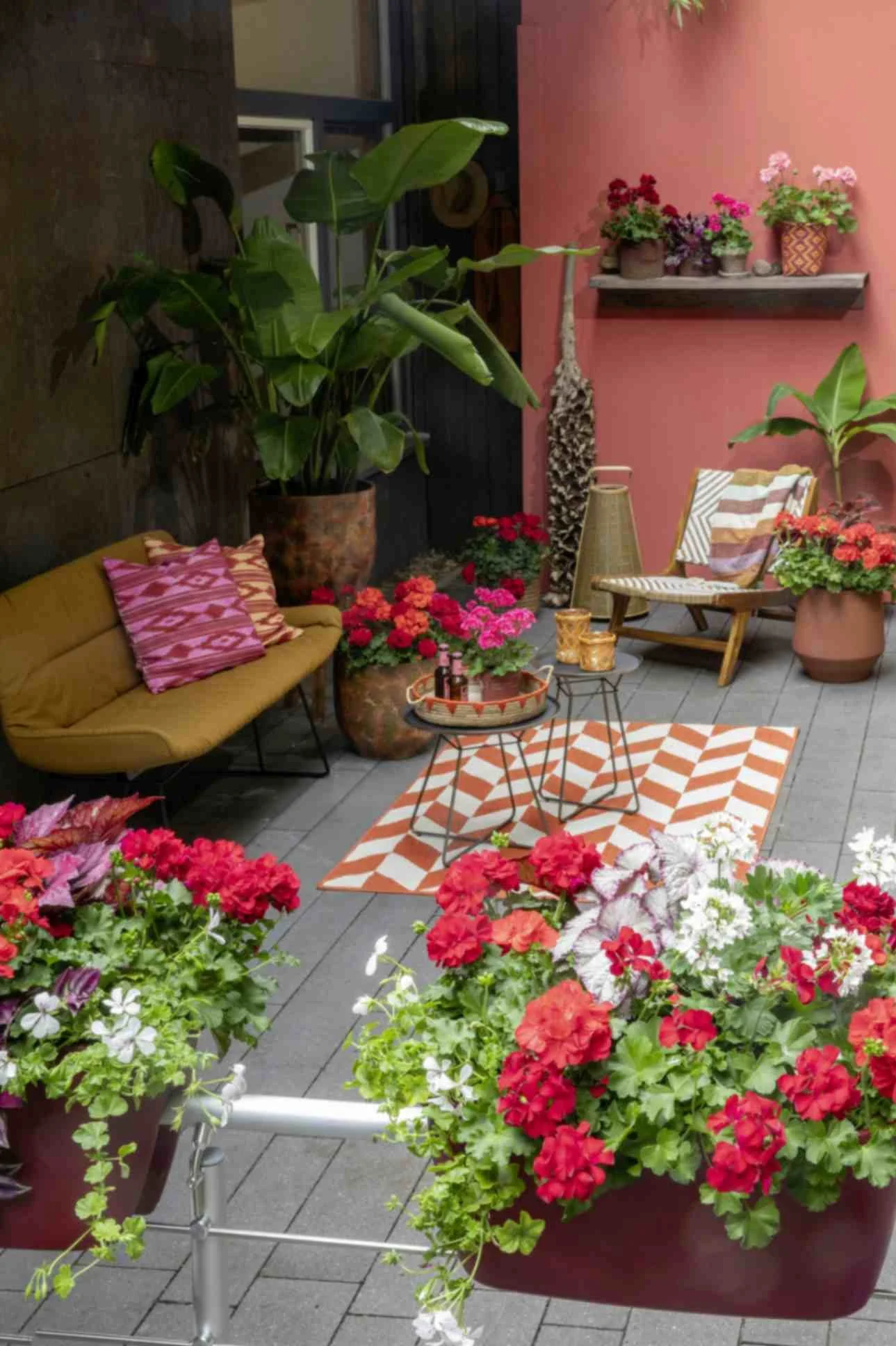
3. Multi-Functional Spaces
As lifestyles evolve, so do the ways we use our homes. The pandemic accelerated the need for flexible living areas, and this trend is here to stay.
Expect to see more rooms designed to serve multiple purposes, home offices that convert into guest bedrooms, kitchens with integrated dining and workspaces, and basements that double as gyms or media rooms.
Custom cabinetry, modular furniture, and clever storage solutions support this trend, allowing spaces to adapt easily.
Why it matters: Multi-functional spaces maximize usability without increasing square footage, making them ideal for urban and suburban homes alike.
4. Natural Light and Biophilic Design
Bringing the outdoors in continues to be a design priority. Large windows, skylights, and glass doors flood homes with natural light, which enhances mood and energy efficiency.
Biophilic design, incorporating natural materials, plant life, and organic shapes, is growing in popularity, connecting occupants with nature and promoting wellness.
Why it matters: Homes that incorporate natural elements feel more inviting and contribute to mental and physical health.
5. Minimalist, Clean Lines with Warmth
Minimalism remains popular but is shifting away from stark, cold spaces toward warmer, more inviting environments. Clean lines paired with natural textures, soft colors, and layered lighting create balanced, comfortable interiors.
Think sleek cabinetry combined with wood accents, stone countertops, and textiles like wool or linen.
Why it matters: This style blends modern aesthetics with cozy livability, appealing to a broad range of tastes.
6. Energy Efficiency and Net-Zero Homes
Energy codes are tightening across Canada, and net-zero energy homes, those that produce as much energy as they consume, are becoming more attainable.
Solar panels, heat pumps, high-efficiency windows, and superior insulation are standard components. Builders in Langley, BC, are increasingly designing homes to meet or exceed these benchmarks.
Why it matters: Energy-efficient homes reduce utility bills, increase comfort, and have a smaller environmental impact.
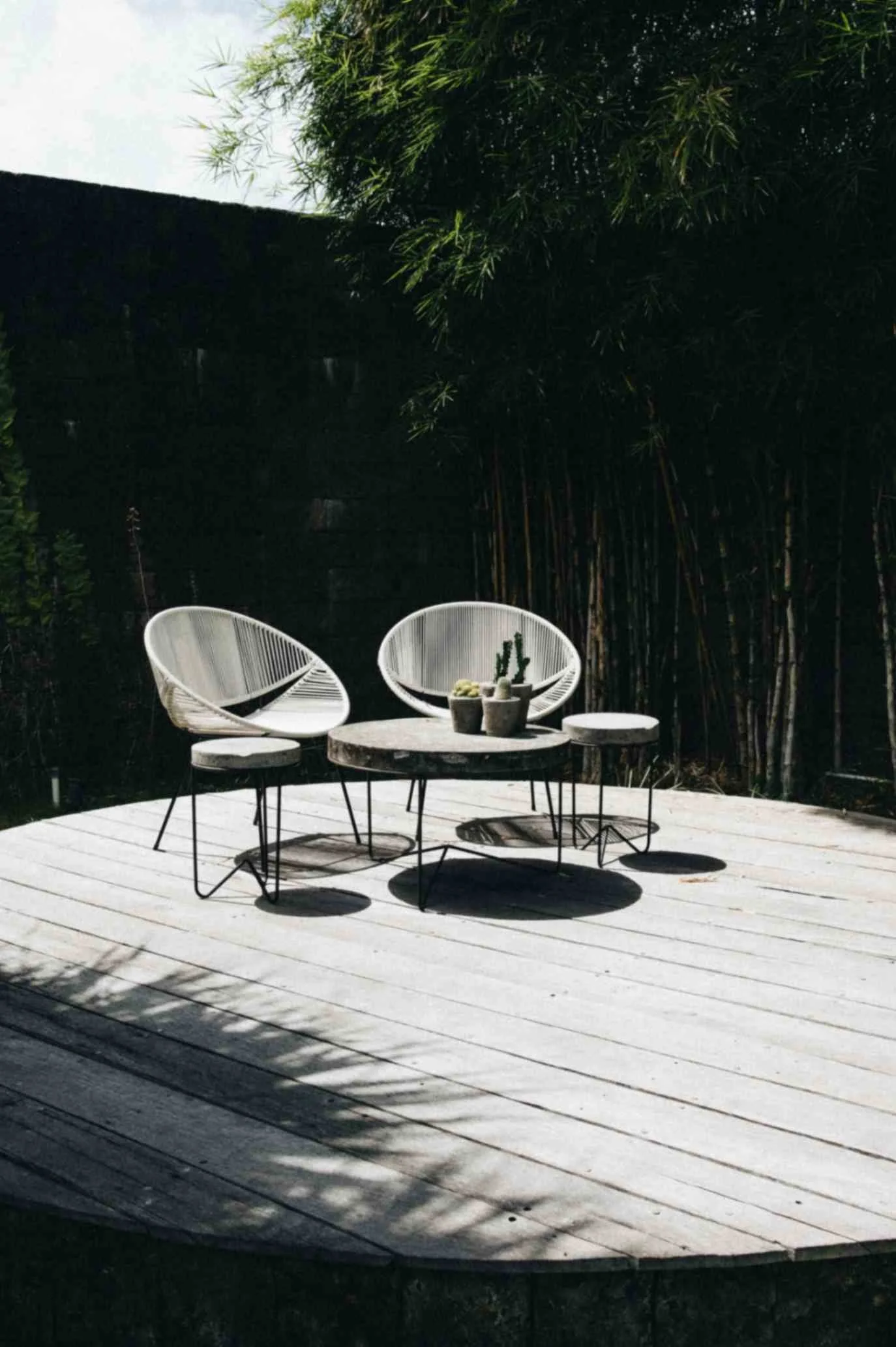
7. Outdoor Living Spaces
More than ever, homeowners want usable outdoor areas. Covered patios, outdoor kitchens, fire pits, and weatherproof seating areas extend living spaces and encourage socializing.
Landscaping that integrates seamlessly with the architecture and uses native plants is also trending.
Why it matters: Outdoor spaces improve quality of life and increase property value.
Trends on Their Way Out
1. Overly Open Floor Plans
While open-concept layouts have dominated for years, a shift is underway. Many homeowners find that completely open spaces lack privacy and can amplify noise.
2026 trends favor a balance; open areas combined with defined zones or flexible partitions that create separation when needed.
Why it’s fading: Desire for privacy, focused workspaces, and defined rooms is pushing designers toward more thoughtful layouts.
2. Ultra-Glossy Finishes
High-gloss cabinetry and countertops were popular but are now seen as harder to maintain and less inviting. Fingerprints, scratches, and smudges are more visible on shiny surfaces.
Matte, satin, or textured finishes that hide imperfections and feel warmer are replacing ultra-glossy looks.
Why it’s fading: Practicality and comfort are winning over pure aesthetics.
3. Dark and Moody Color Palettes
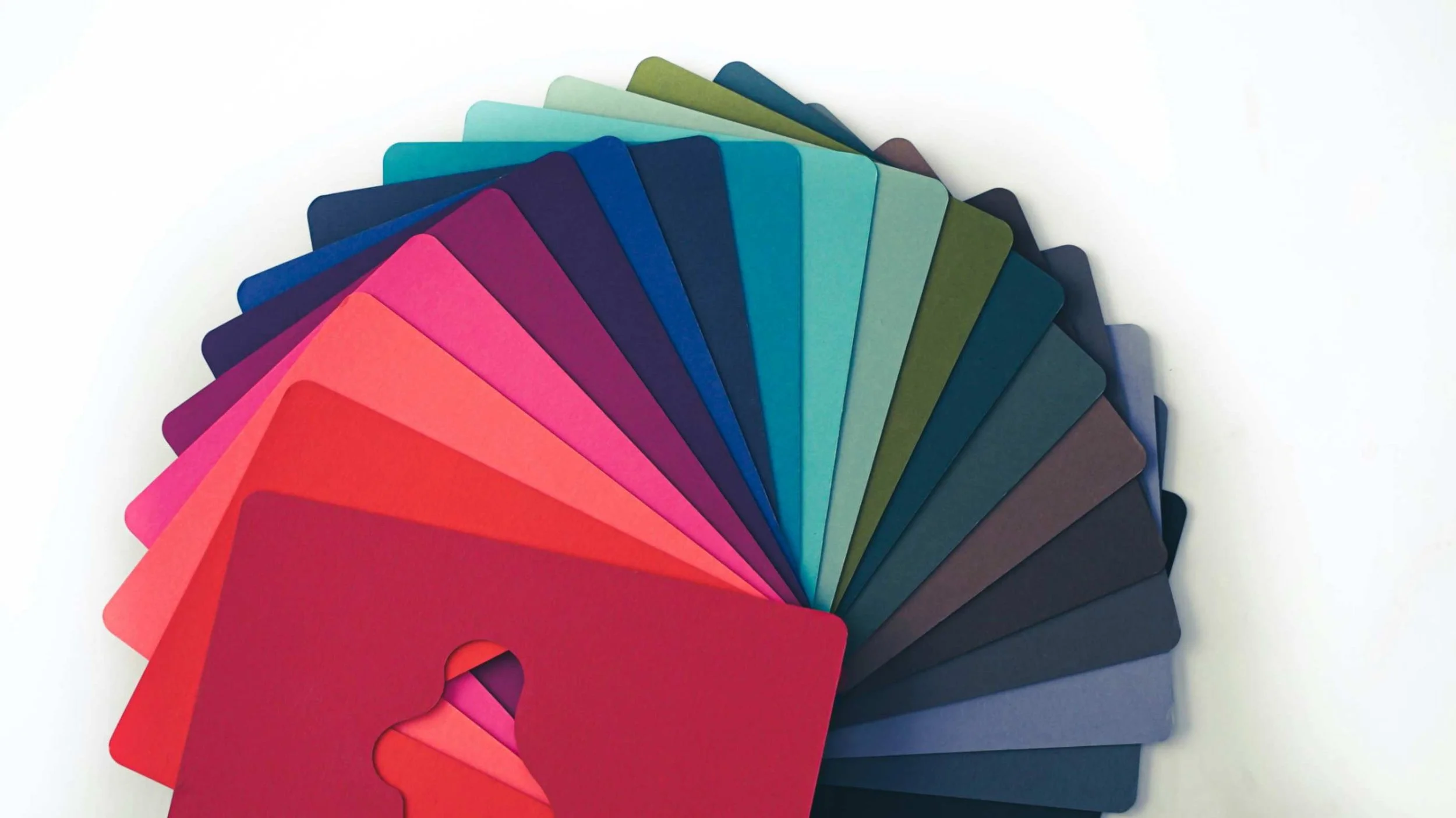
Deep blues, blacks, and charcoal tones were trending but are giving way to lighter, airier palettes that reflect natural light and promote calmness.
While dark accents remain stylish, expect to see more whites, creams, and soft pastels in 2026 interiors.
Why it’s fading: Lighter colors improve perceived space and brightness.
4. Over-Reliance on Synthetic Materials
Advances in synthetic materials once made them very popular, but the push toward sustainability and natural elements is reversing this trend.
Homeowners and builders increasingly choose natural wood, stone, and fiber over plastics and composites.
Why it’s fading: Sustainability and biophilic design priorities are driving the shift.
5. Trendy “Statement” Walls
While accent walls remain popular, the trend of loud, bold walls that dominate rooms is diminishing. Instead, subtle textures, layered neutrals, and art or wallpaper used as accents rather than focal points are preferred.
Why it’s fading: Desire for timelessness and versatile spaces.
What This Means for Homeowners in Langley, BC
At Oakhaven Properties, based right here in Langley, BC, we are passionate about helping our clients incorporate the latest trends in ways that suit their lifestyles and budgets.
Our approach blends innovation with timeless quality so your home looks great today and for years to come. Whether you want to integrate smart home features, improve energy efficiency, or create flexible spaces for your family, we have the experience and local knowledge to guide you.
Final Thoughts
Trends come and go, but smart design choices endure. By understanding which trends are gaining traction and which are on their way out, you can make informed decisions for your next project.
2026 promises exciting opportunities to build greener, smarter, and more beautiful homes that enhance how we live.
If you’re considering a renovation or new build in Langley, BC, reach out to Oakhaven Properties. Let’s make sure your home reflects the best of tomorrow’s trends without sacrificing quality or comfort.