
Updating Electrical Systems During Abbotsford Renovations
Electrical upgrades are one of the least glamorous parts of a renovation, and one of the most important. In Abbotsford, many homes were built decades ago, long before today’s appliance loads, home offices, EV chargers, and heated bathroom floors were common.
If you are renovating in Abbotsford, especially in established areas like East Abbotsford, Clearbrook, Central Abbotsford, or Sumas Prairie, updating the electrical system is often not optional. It is foundational. What starts as a kitchen remodel or basement renovation quickly turns into a conversation about panel capacity, wiring type, and code compliance.
This guide explains what Abbotsford homeowners should know about electrical system upgrades during renovations, including costs, timelines, permits, and local realities that influence the scope of work.

When Electrical Upgrades Are Typically Required
Not every renovation requires a full electrical overhaul, but many trigger upgrades.
Common situations include:
Adding new circuits for kitchens or bathrooms
Installing higher-demand appliances
Converting basements into legal suites
Adding secondary dwellings or carriage houses
Installing EV chargers
Upgrading lighting systems throughout the home
In older homes in Central Abbotsford and Clearbrook, we frequently see 100-amp service panels that struggle to handle modern electrical demands. In some cases, aluminum wiring or outdated breaker systems need replacement to meet current safety standards.
Ignoring electrical capacity during a renovation can limit future upgrades and create safety risks.
Panel Upgrades in Abbotsford Homes
One of the most common electrical updates during Abbotsford renovations is a panel upgrade.
Older homes often have:
60-amp or 100-amp service
Limited breaker space
Panels that no longer meet current standards
Modern renovations often require:
200-amp service
Additional circuits
Dedicated circuits for high-load appliances
Surge protection upgrades
Homes in East Abbotsford, where larger houses are common, often require panel upgrades when kitchens are reconfigured or additions are built. In Sumas Prairie, rural properties sometimes involve additional coordination with utility providers when service upgrades are needed.
Panel upgrades require permits and inspection. This is not a cosmetic change. It affects the safety and insurability of the home.
Electrical Code Requirements in Abbotsford
All electrical work in Abbotsford must comply with the BC Electrical Code and local regulations.
Permits are required for:
Service upgrades
New circuits
Panel replacements
Subpanel installations
EV charger installations
Even if the renovation itself seems minor, electrical modifications still require proper documentation and inspection.
Inspectors in Abbotsford pay close attention to:
Proper grounding and bonding
Arc-fault and ground-fault protection
Load calculations
Safe wiring methods
Electrical work that bypasses permitting often creates issues during resale or insurance reviews.
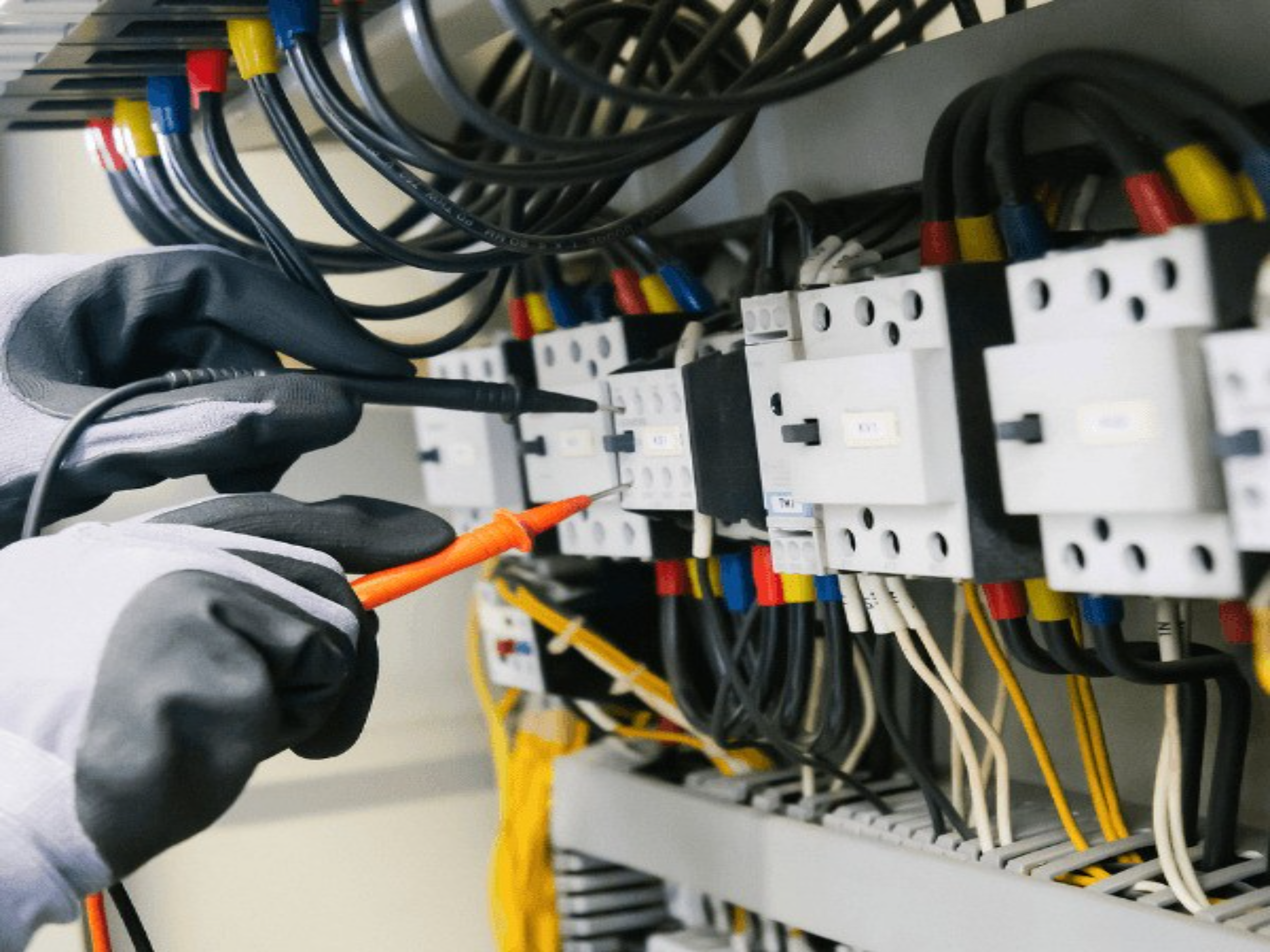
Cost Considerations for Electrical Upgrades in Abbotsford
Electrical upgrade costs depend on scope, age of the home, and existing infrastructure.
Common cost drivers include:
Panel replacement or service upgrade
Rewiring older sections of the home
Adding new circuits
Relocating electrical panels
Coordination with BC Hydro
Drywall repair and finishing
In Clearbrook and older sections of Central Abbotsford, rewiring can increase costs if walls must be opened extensively. Homes that already have updated service often require fewer structural modifications.
Electrical upgrades should be viewed as infrastructure improvements. They support long-term safety and flexibility, not just the immediate renovation.
Timeline Expectations for Electrical Work During Renovations
Electrical upgrades must be sequenced properly within the broader renovation timeline.
Typical timeline elements include:
Load assessment and planning: 1 to 2 weeks
Permit approval: 2 to 4 weeks
Panel or service upgrade: 1 to 3 days
Rough-in during renovation: Ongoing during framing
Final inspection and connection: After finishing stages
In Abbotsford, coordination with the utility provider can influence scheduling, particularly for service upgrades.
Delays often occur when the electrical scope expands mid-project due to overlooked capacity limitations.
Local Reality: Electrical Challenges in Older Abbotsford Houses
Abbotsford’s housing stock spans several decades, and each era presents unique electrical challenges.
In Central Abbotsford, we often encounter aging wiring systems and undersized panels. In Clearbrook, homes built in the 1970s and 1980s sometimes include wiring types that require careful evaluation. In Sumas Prairie, longer service runs and rural infrastructure can influence upgrade costs.
Another local consideration is increased electrical demand. Homeowners are adding:
Home offices
Heat pumps
EV chargers
Secondary suites
Electrical systems originally designed for far lighter loads now need to support significantly more.
Abbotsford inspectors expect accurate load calculations and proper documentation. Electrical upgrades must align with both current code and long-term capacity planning.
What We See Go Wrong During Electrical Upgrades
Electrical issues often arise from incomplete planning.
Underestimating Future Demand
Upgrading only for today’s needs can limit future flexibility. Planning for potential EV chargers or secondary suites is often wise.
Skipping Permits
Unpermitted electrical work creates problems during inspections and resale.
Overlooking Grounding and Safety Upgrades
Panel upgrades without proper grounding improvements leave gaps in system safety.
Hiring Without Proper Licensing
Electrical work must be completed by qualified professionals. Improper installations create serious safety risks.
Expanding Scope Mid-Project
Discovering panel limitations halfway through a kitchen renovation can halt progress while upgrades are added.
Integrating Electrical Planning with Renovation Design
Electrical planning should happen early in the renovation process.
Key considerations include:
Appliance locations and power needs
Lighting design and switching layouts
Dedicated circuits for kitchens and bathrooms
Future expansion capacity
Panel location and accessibility
This coordination is especially important in large renovations or additions in East Abbotsford, where increased square footage drives higher electrical demand.
Thoughtful electrical planning prevents last-minute compromises.
Choosing the Right Contractor for Electrical Upgrades in Abbotsford
Electrical upgrades intersect with nearly every renovation type. Proper coordination matters.
A qualified renovation contractor should:
Identify electrical limitations early
Coordinate licensed electricians
Manage permits and inspections
Provide realistic cost expectations
Integrate electrical planning with overall design
This level of coordination is central to effective project management. You can learn more about our approach on our Home Project Management services page.
For additional planning insights, our Frequently Asked Questions page covers common renovation concerns, including permitting and timelines.
How Electrical Upgrades Affect Property Value in Abbotsford
Modern electrical systems increase both safety and resale confidence.
Benefits include:
Improved safety and code compliance
Support for modern appliances and technology
Greater buyer confidence
Reduced insurance concerns
In Abbotsford’s competitive market, documented upgrades matter. Buyers increasingly ask about panel size, service capacity, and recent electrical improvements.
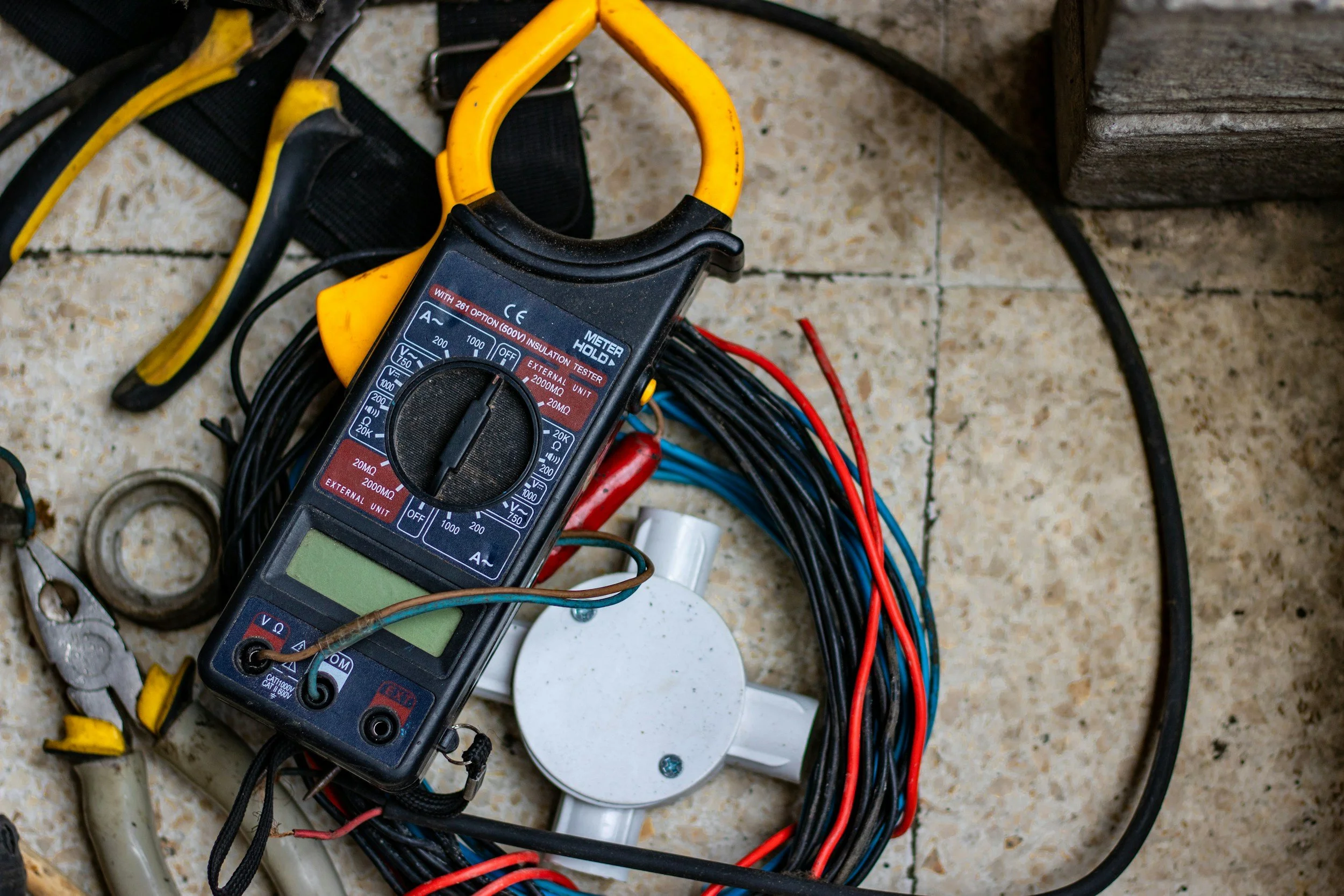
Conclusion: Planning Electrical Upgrades the Right Way in Abbotsford
Updating electrical systems during Abbotsford renovations is about more than powering new fixtures. It is about ensuring safety, compliance, and long-term flexibility.
Understanding your home’s existing capacity, planning for future demand, and coordinating upgrades early in the renovation process leads to smoother projects and better outcomes.
Planning a renovation in Abbotsford? We are happy to walk you through electrical considerations and help you determine what upgrades make sense for your home before construction begins.