
Garage Conversions and Zoning Rules in Langley
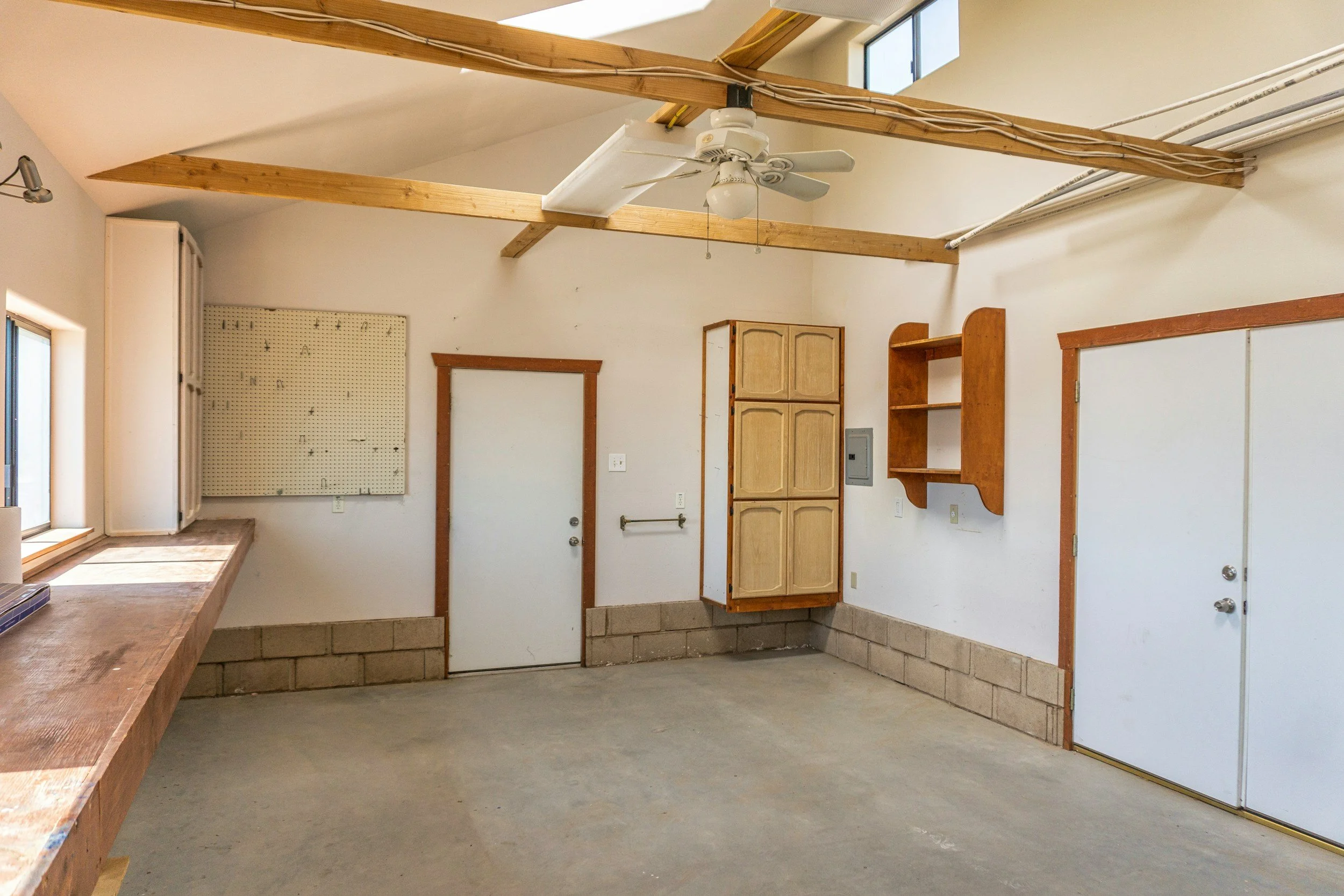
Garage conversions are becoming increasingly popular in Langley as homeowners look for ways to create more usable living space without building a full addition. Whether it is a home office, gym, rental suite, studio, or extended family space, converting an existing garage can seem like a straightforward solution.
In Langley, however, garage conversions involve more than insulation and drywall. Zoning rules, parking requirements, building permits, and structural considerations all play a major role in whether a project can move forward legally and practically.
Homeowners in neighbourhoods like Willoughby, Walnut Grove, Murrayville, and Brookswood are all approaching garage conversions differently because the age of the home, lot size, and zoning regulations vary significantly across the city.
This guide explains what Langley homeowners should know before converting a garage, including permits, costs, timelines, and the common mistakes that create delays.
What Counts as a Garage Conversion in Langley?
A garage conversion involves changing an existing garage space into a habitable interior living space.
Common garage conversion projects include:
Home offices
Guest suites
Rental suites
Gyms or recreation rooms
Bedrooms or expanded living areas
Studio spaces
Some homeowners convert attached garages, while others repurpose detached garages into accessory living spaces. The intended use matters because zoning and code requirements change depending on how the space will function.
A workshop conversion is treated very differently from a legal secondary suite.
Zoning Rules for Garage Conversions in Langley
Zoning is one of the most important early considerations.
Key zoning factors include:
Minimum required parking spaces
Whether secondary suites are permitted
Lot coverage limits
Accessory building regulations
Property setbacks and use restrictions
In Willoughby, many newer developments have strict parking requirements tied to zoning approvals. Removing a garage without replacing parking can create compliance issues. In Brookswood, larger lots sometimes allow more flexibility, but zoning still needs to be reviewed carefully.
If the garage conversion involves creating a legal suite, additional zoning and life safety requirements apply.
Confirming zoning feasibility before design work begins saves time and prevents expensive redesigns later.
Permit Requirements for Garage Conversions in Langley

Most garage conversions require permits in Langley because the space is changing from storage or parking use into habitable living space.
Permits are commonly required for:
Structural modifications
Electrical upgrades
Plumbing additions
Insulation and ventilation upgrades
Window and door changes
Heating system modifications
If the garage becomes a bedroom, office, or suite, the space must meet current building code requirements for:
Ceiling height
Insulation
Ventilation
Fire separation
Emergency egress
This is where many homeowners get surprised. Garages were not originally built to the same standards as living areas.
Cost Breakdown for Garage Conversions in Langley
Garage conversion costs vary depending on how extensive the transformation is.
Common cost factors include:
Insulation and drywall upgrades
Electrical and plumbing work
Heating and ventilation systems
New flooring systems
Window and door installation
Structural modifications
Permit and design costs
In older homes in Murrayville and Walnut Grove, garages may require substantial upgrades to bring them to habitable standards. In newer homes in Willoughby, the shell itself may already be closer to modern code requirements.
Converting a garage into a legal suite generally costs significantly more than converting it into a home office or recreation room due to additional code requirements.
Timeline Expectations for Garage Conversion Projects
Garage conversions move faster than additions, but they still require careful planning and coordination.
Typical project phases include:
Feasibility and zoning review: 2 to 4 weeks
Design and permit preparation: 3 to 6 weeks
Permit approval: 4 to 8 weeks
Construction: 6 to 12 weeks, depending on scope
Projects involving suites or major servicing upgrades may take longer.
Permit timelines in Langley vary depending on project complexity and the quality of submitted plans.
Local Reality: Garage Conversions in Langley Neighbourhoods
Langley’s housing stock creates very different conditions from one neighbourhood to another.
In Walnut Grove, many homes were designed with attached front-facing garages that strongly affect parking and streetscape appearance. In Brookswood, detached garages and larger lots often allow more flexibility. In Willoughby, zoning and neighbourhood design guidelines are often more restrictive because of density planning.
Another local factor is storage. Many homeowners underestimate how much household storage is currently living inside the garage until renovation day arrives, and suddenly the driveway looks like a yard sale with power tools.
Planning for replacement storage is often just as important as planning the new living space itself.
What We See Go Wrong with Garage Conversions in Langley
Most garage conversion problems come from incomplete planning.
Ignoring Parking Requirements
Removing required parking without replacement solutions can create zoning conflicts.
Assuming Garages Are Already “Finished Enough”
Garages usually require major insulation, heating, and structural upgrades before becoming a legal living space.
Underestimating Moisture and Ventilation Needs
Concrete garage slabs and exterior-facing walls require proper moisture management to prevent long-term issues.
Skipping Permit Applications
Unpermitted conversions create major issues during resale and insurance reviews.
Choosing Layouts Without Long-Term Planning
A conversion should support future flexibility and resale value, not just immediate needs.
Design Considerations That Matter in Garage Conversions
Good garage conversion design balances comfort, function, and compliance.
Important considerations include:
Floor height transitions
Heating consistency
Soundproofing
Natural light
Exterior integration with the existing home
Storage solutions
In Murrayville, homeowners often prioritize family flexibility and multipurpose spaces. In Willoughby, maximizing functional square footage without overcrowding the layout is usually the bigger priority.
The best conversions feel intentional, not like a former garage reluctantly pretending to be a bedroom.
Choosing the Right Contractor for a Garage Conversion in Langley
Garage conversions require coordination across multiple trades and permitting processes.
A qualified contractor should:
Understand Langley zoning and parking requirements
Identify structural and insulation limitations early
Coordinate permits and inspections
Provide realistic cost and timeline expectations
Plan for long-term functionality
This level of coordination is where professional home project management becomes critical. Learn more about our renovation process on our Home Project Management services page.
For additional planning insights, visit our Frequently Asked Questions page.
How Garage Conversions Affect Property Value in Langley
A properly executed garage conversion can:
Increase usable square footage
Improve flexibility for growing families
Add rental potential where permitted
Increase resale appeal in certain markets
Poorly executed or unpermitted conversions often create appraisal and inspection concerns.
In Langley’s competitive housing market, buyers increasingly value functional living space, but they also expect proper compliance and workmanship.
Conclusion: Planning a Garage Conversion the Right Way in Langley
Garage conversions and zoning rules in Langley involve more than simply repurposing unused space. Successful projects require thoughtful planning, zoning review, permit compliance, and realistic budgeting.
With the right guidance, a garage conversion can become a valuable extension of the home that supports both current needs and long-term property value.
Thinking about converting a garage in Langley? We are happy to walk you through zoning considerations, layout ideas, and realistic expectations before construction begins.